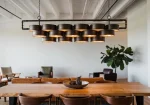
Sustainable Furniture Trends Eco-Friendly Choices for Modern Homes
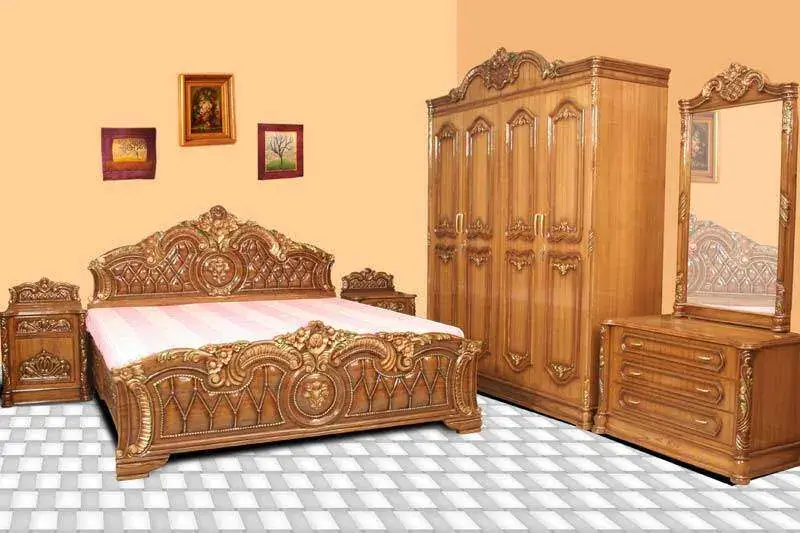
In today’s world, sustainability is more than a buzzword—it’s a lifestyle. From energy-efficient appliances to eco-conscious fashion, homeowners are increasingly seeking ways to reduce their environmental footprint. Furniture is no exception. Sustainable furniture is gaining popularity as people realize they can create stylish, comfortable homes without compromising the planet. This blog explores the latest trends in eco-friendly furniture and how you can make conscious choices for a modern home.
Why Choose Sustainable Furniture?
Sustainable furniture is designed with the environment in mind. It uses renewable or recycled materials, eco-friendly manufacturing processes, and longer-lasting designs that reduce waste. Choosing sustainable furniture offers several benefits:
Environmental impact: Reduces deforestation and carbon footprint.
Durability: Built to last, reducing the need for frequent replacements.
Healthier homes: Made with non-toxic materials, promoting better indoor air quality.
Unique style: Often handcrafted or limited edition, giving your home a distinctive look.
By opting for eco-friendly furniture, you’re contributing to a greener planet while enhancing the aesthetics and functionality of your living space.
Trend 1: Reclaimed and Upcycled Wood
Reclaimed wood has become a staple in sustainable furniture design. This wood comes from old buildings, barns, or discarded furniture and is repurposed into new pieces. The result is furniture with rich textures, unique grains, and historical character.
Coffee tables and dining tables: Each piece tells a story through its natural imperfections.
Shelving and storage units: Stylish yet sustainable storage solutions.
Custom designs: Many designers offer bespoke furniture made entirely from reclaimed wood.
Upcycling doesn’t stop at wood. Old furniture, metal scraps, and even fabrics can be transformed into modern, functional designs. These pieces are not only eco-friendly but also add personality to your home.
Trend 2: Bamboo and Rapidly Renewable Materials
Bamboo is one of the fastest-growing plants on Earth, making it a highly sustainable material. Furniture made from bamboo is lightweight, durable, and visually appealing. Beyond bamboo, other rapidly renewable materials like rattan, cork, and hemp are trending.
Bamboo chairs and tables: Perfect for modern minimalist interiors.
Cork flooring and accents: Adds warmth and texture while being renewable.
Rattan décor: Blends natural beauty with contemporary design.
Choosing furniture made from these materials reduces reliance on slow-growing hardwoods and supports sustainable harvesting practices.
Trend 3: Non-Toxic Finishes and Low-Impact Manufacturing
Eco-conscious furniture isn’t just about the material—it’s also about how it’s made. Many brands now prioritize non-toxic finishes, water-based paints, and low-VOC (volatile organic compound) adhesives to reduce environmental harm.
Paints and varnishes: Look for certified low-VOC or plant-based options.
Sustainable manufacturing: Brands that minimize water use and waste are leading the market.
Modular designs: Furniture that can be easily disassembled or repurposed reduces landfill waste.
These practices make furniture safer for your family and kinder to the environment, proving that sustainability and style can go hand in hand.
Trend 4: Vintage and Second-Hand Furniture
Buying vintage or second-hand furniture is another eco-friendly choice gaining momentum. By reusing existing pieces, you prevent them from ending up in landfills and reduce the demand for newly manufactured items.
Thrift stores and flea markets: Great for finding unique, high-quality pieces.
Restoration projects: Refurbishing old furniture can give it a modern twist.
Designer resale platforms: Online marketplaces now make it easy to buy or sell pre-loved furniture.
Vintage furniture adds character and history to your home while promoting sustainable consumption.
Trend 5: Multifunctional and Minimalist Designs
Sustainable furniture trends also focus on reducing consumption. Multifunctional and minimalist furniture encourages buying less but smarter.
Convertible sofas and beds: Ideal for small spaces and long-term use.
Modular storage units: Adaptable pieces grow with your needs, reducing waste.
Minimalist designs: Fewer materials, cleaner lines, and timeless aesthetics.
This approach not only saves resources but also creates a clutter-free, stylish living environment.
How to Choose Sustainable Furniture
When selecting eco-friendly furniture, consider these tips:
Material check: Look for reclaimed wood, bamboo, rattan, cork, or recycled metals.
Certifications: Check for FSC (Forest Stewardship Council) or Greenguard certifications.
Longevity: Prioritize durability over trends; quality lasts longer.
Local sourcing: Buying locally reduces transportation emissions.
Maintenance: Choose pieces that are easy to repair, refinish, or repurpose.
By keeping these factors in mind, you can make informed choices that are both stylish and sustainable.
Conclusion
Sustainable furniture Dubai is no longer a niche—it’s a mainstream movement that combines style, functionality, and environmental responsibility. From reclaimed wood tables to bamboo chairs and non-toxic finishes, there are countless ways to furnish your modern home sustainably. Choosing eco-friendly furniture not only supports the planet but also elevates your living space with unique, high-quality pieces.
Making conscious furniture choices today ensures a greener, healthier home for tomorrow. Whether you’re redesigning a single room or revamping your entire home, sustainable furniture trends offer options that are beautiful, functional, and kind to the environment.


Leave a reply


-
Your Roof Windows and Siding Age Together
A brown ring shows up on the bedroom ceiling in late February, ... -
-
-
-