Eco-Friendly Flooring Options: Sustainable Choices for a Greener Home
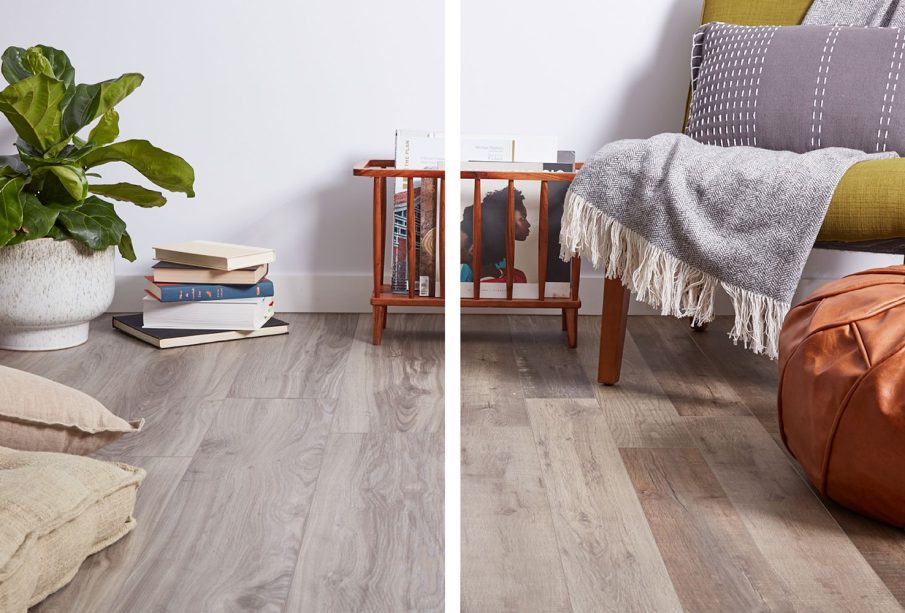
As homeowners become increasingly conscious of their environmental impact, eco-friendly flooring has emerged as a popular and practical choice. Sustainable flooring not only reduces harm to the planet but also brings health benefits, durability, and aesthetic appeal to your home. From renewable materials to recycled resources, there is a wide range of options that cater to different styles and budgets. In this blog, we will explore eco-friendly flooring options, their advantages, and tips to choose the perfect sustainable flooring for a greener home.
Why Choose Eco-Friendly Flooring?
Eco-friendly flooring contributes to sustainability by minimizing resource depletion and reducing the carbon footprint. Traditional flooring materials, such as certain hardwoods or vinyl, can have significant environmental impacts due to deforestation, toxic chemicals, and energy-intensive manufacturing processes. Sustainable flooring alternatives, on the other hand, are often made from renewable or recycled materials and manufactured using environmentally responsible methods.
Choosing eco-friendly flooring not only helps the environment but also benefits homeowners by:
Improving Indoor Air Quality: Many sustainable flooring options avoid harmful chemicals and volatile organic compounds (VOCs), making the indoor environment healthier.
Longevity and Durability: Eco-friendly materials like bamboo and cork are strong and long-lasting, reducing the need for frequent replacement.
Aesthetic Appeal: Sustainable flooring comes in a variety of textures, colors, and patterns that enhance any interior design.
Popular Eco-Friendly Flooring Options
Bamboo Flooring
Bamboo is one of the most popular eco-friendly flooring choices. Technically a grass rather than wood, bamboo grows rapidly and can be harvested in just 3-5 years, compared to decades for traditional hardwood. Bamboo flooring is not only sustainable but also strong, durable, and visually appealing. Strand-woven bamboo is particularly resilient, making it suitable for high-traffic areas.
Cork Flooring
Cork is harvested from the bark of cork oak trees without cutting the tree down, allowing it to regrow naturally. Cork flooring is soft underfoot, providing comfort and insulation, while also being naturally resistant to mold, mildew, and pests. Its unique texture and warm tones make it a versatile choice for living rooms, bedrooms, and offices.
Reclaimed Wood
Using reclaimed or salvaged wood reduces the demand for newly harvested timber and preserves the character of older wood. Reclaimed wood flooring is both environmentally responsible and visually stunning, often featuring rich textures and unique patterns that can’t be replicated in new wood.
Linoleum
Linoleum is made from natural materials such as linseed oil, cork dust, wood flour, and natural pigments. Unlike vinyl, which is petroleum-based, linoleum is biodegradable, durable, and available in a wide range of colors and patterns. It’s an excellent choice for kitchens, bathrooms, and high-traffic areas.
Recycled Materials
Many flooring brands now offer options made from recycled plastics, rubber, and other post-consumer materials. These products help reduce landfill waste while providing durable and low-maintenance flooring. Luxury Vinyl Tile (LVT) made from recycled content can mimic wood or stone, offering sustainable elegance without sacrificing style.
Benefits of Eco-Friendly Flooring
Eco-friendly flooring offers numerous advantages beyond sustainability:
Healthier Living Spaces: Reduced chemical use lowers exposure to harmful substances in your home.
Energy Efficiency: Some materials, like cork and bamboo, provide natural insulation, helping reduce heating and cooling costs.
Durability and Cost Savings: Long-lasting flooring reduces replacement frequency, saving money over time.
Unique Aesthetic: Many sustainable materials, like reclaimed wood or cork, add character and texture to interiors.
Tips for Choosing the Right Eco-Friendly Flooring
Consider Your Lifestyle: High-traffic areas may require stronger materials like bamboo or recycled LVT, while bedrooms or home offices can use cork for its softness.
Check Certifications: Look for eco-certifications like FSC (Forest Stewardship Council), GreenGuard, or Cradle-to-Cradle to ensure the material meets environmental and health standards.
Maintenance Requirements: Some materials, like linoleum or bamboo, may need regular sealing, while cork and recycled composites can be low-maintenance.
Budget and Longevity: Compare initial costs with durability. Investing in high-quality eco-friendly flooring can be cost-effective in the long run due to its longevity.
Design and Style: Choose colors, textures, and patterns that complement your home décor. Many eco-friendly options offer versatile aesthetics, from rustic charm to modern elegance.
Final Thoughts
Eco-friendly flooring provides a perfect balance between sustainability, style, and practicality. Whether you choose bamboo for its rapid renewability, cork for its soft and insulating properties, or reclaimed wood for its timeless charm, sustainable flooring allows you to make an environmentally conscious choice without compromising on beauty or performance.
By opting for eco-friendly flooring Dubai, you are contributing to a greener planet, creating healthier living spaces, and investing in materials that stand the test of time. With a wide variety of options available, there’s an ideal solution for every home, from modern apartments to traditional houses. Making the switch to sustainable flooring is a simple yet impactful step toward a greener, healthier, and more stylish home.


Leave a reply


-
Safer Outdoor Surfaces That Improve Both Style and Function
Outdoor spaces are essential in residential and business properties. These are spaces ... -
-
-
-