Sustainable Elegance: Eco-Friendly Parquet Flooring Options You Need to Know
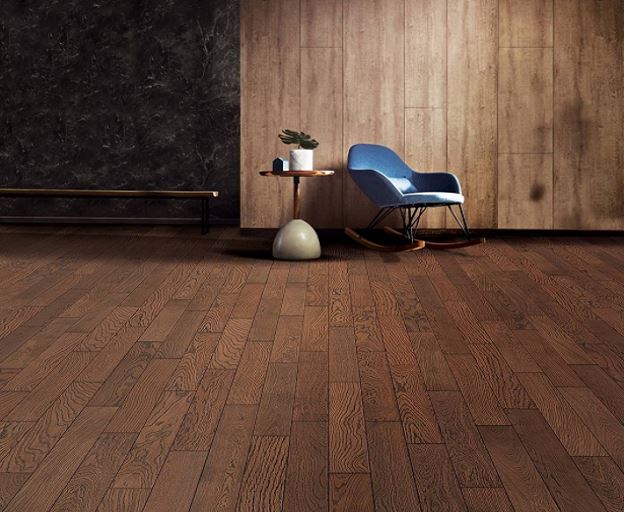
When it comes to interior design, few flooring choices exude as much sophistication and timeless appeal as parquet flooring. From elegant herringbone to classic chevron, parquet has long been associated with luxury living. But in today’s eco-conscious world, the focus is shifting from aesthetics alone to sustainability and responsible sourcing.
Homeowners and designers in 2025 are increasingly asking: How can I enjoy the beauty of parquet flooring while minimizing my environmental footprint? The good news is, innovations in material sourcing, finishes, and installation techniques now make it possible to achieve both elegance and eco-friendliness.
In this blog, we’ll explore the latest sustainable parquet flooring options, why they matter, and how you can bring eco-conscious luxury into your home.
Why Choose Sustainable Parquet Flooring?
The flooring industry has traditionally relied heavily on hardwood, which often comes with environmental challenges such as deforestation, energy-intensive processing, and chemical-heavy finishes. By switching to sustainable parquet flooring, you can:
Protect Forests: Ensure that your wood is responsibly harvested and certified by organizations like the Forest Stewardship Council (FSC).
Reduce Carbon Footprint: Choose engineered options that use less solid wood while maintaining durability.
Improve Indoor Air Quality: Eco-friendly finishes and adhesives reduce VOCs (volatile organic compounds).
Invest in Longevity: Durable parquet reduces the need for replacements, cutting down on waste.
In Dubai and other global design hubs, this balance between sustainability and luxury is fast becoming the new standard.
Eco-Friendly Parquet Options to Explore
FSC-Certified Solid Wood Parquet
If you love the authenticity of natural hardwood, FSC-certified parquet ensures your flooring comes from responsibly managed forests. Every tree harvested is replaced, and biodiversity is preserved. Popular choices include oak, walnut, and ash—each offering unique tones and grains.
Why it’s eco-friendly: Supports forest regeneration and combats illegal logging.
Engineered Parquet Flooring
Engineered parquet uses a thin layer of hardwood (the wear layer) bonded to layers of plywood or recycled wood beneath. This method dramatically reduces the amount of solid hardwood needed while maintaining the look and feel of traditional parquet.
Why it’s eco-friendly: Uses fewer natural resources while offering exceptional stability and longevity.
Bamboo Parquet Flooring
Though technically a grass, bamboo is one of the fastest-growing plants in the world, making it an excellent renewable material. Modern carpentry techniques now allow bamboo to be crafted into durable parquet blocks with striking patterns.
Why it’s eco-friendly: Renewable within 3–5 years compared to decades for hardwood.
Reclaimed Wood Parquet
Reclaimed parquet is made from salvaged wood sourced from old buildings, barns, or industrial sites. Each block carries a unique story, adding character and rustic charm to your interiors. Designers in Dubai are embracing this look in lofts and boutique hotels for its raw authenticity.
Why it’s eco-friendly: Reduces waste and eliminates the need for new timber harvesting.
Low-VOC Finishes and Adhesives
Even the most sustainable parquet can lose its eco-friendly edge if finished with harmful chemicals. Today’s green carpentry uses water-based finishes, natural oils, and low-VOC adhesives, ensuring healthier indoor air quality.
Why it’s eco-friendly: Minimizes toxic emissions inside your home.
The Aesthetic Side of Sustainable Parquet
Eco-friendly doesn’t mean compromising on style. In fact, many sustainable parquet flooring options open new doors for creative expression:
Reclaimed wood parquet often has rich, weathered tones and unique textures that you can’t replicate with new timber.
Bamboo parquet adds a sleek, contemporary feel, perfect for minimalist or Asian-inspired interiors.
Engineered parquet allows wider planks and more intricate patterns, since the layers provide extra stability.
With the right pattern—be it herringbone, chevron, or basket weave—sustainable parquet can make any space look expansive, sophisticated, and luxurious.
Practical Benefits Beyond Sustainability
Choosing eco-friendly parquet flooring doesn’t just help the planet—it also benefits you directly:
Durability: Engineered and bamboo parquet are known for resilience against Dubai’s fluctuating temperatures and humidity.
Easy Maintenance: Most sustainable finishes make cleaning simpler and reduce the need for harsh chemicals.
Compatibility with Technology: Engineered and bamboo parquet are excellent for homes with underfloor heating systems, enhancing comfort while saving energy.
How to Choose the Right Option for Your Space
When selecting sustainable parquet flooring, consider the following:
Your Lifestyle: For high-traffic areas, engineered or bamboo parquet is ideal. For statement rooms, FSC-certified solid wood or reclaimed parquet might suit better.
Aesthetic Preferences: Decide between rustic charm (reclaimed wood) or sleek modernity (engineered bamboo).
Budget: Engineered parquet is often more cost-effective than solid FSC-certified wood while offering similar luxury.
Long-Term Value: Eco-friendly parquet is an investment that enhances both property value and sustainability credentials.
Final Thoughts
Parquet flooring has always been a symbol of elegance, but in 2025, it’s also becoming a statement of conscious living. By opting for FSC-certified wood, engineered designs, bamboo alternatives, reclaimed materials, and low-VOC finishes, Vinyl Flooring you can enjoy the timeless beauty of parquet while playing your part in creating a greener future.
Sustainable elegance is not just a trend—it’s the way forward. So, whether you’re renovating your Dubai penthouse or designing a cozy villa, let your flooring choices reflect not just your style, but also your values.
Because true luxury today means living beautifully and responsibly.


Leave a reply


-
Your Roof Windows and Siding Age Together
A brown ring shows up on the bedroom ceiling in late February, ... -
-
-
-