How a Stronger Foundation Supports a Greener Home
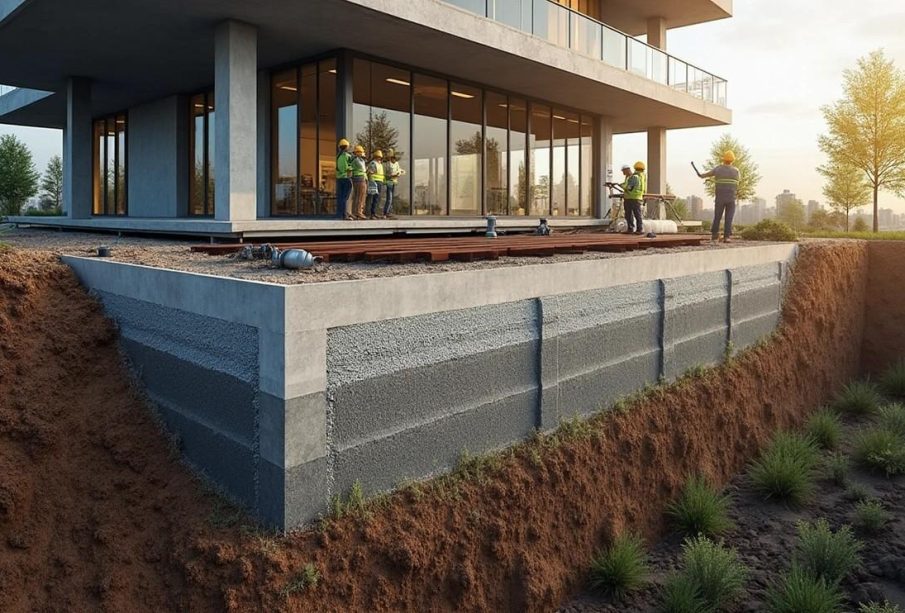
When people think of eco-friendly renovations, basement underpinning isn’t usually the first project that comes to mind. Yet, strengthening a home’s foundation can actually have significant environmental benefits. Beyond stability and added space, underpinning contributes to energy efficiency, material conservation, and long-term sustainability. In an era where homeowners are increasingly conscious of their environmental impact, this makes underpinning not just a practical investment, but also a responsible one.
The process enhances both structure and sustainability by reusing what’s already there. Instead of demolishing and rebuilding, underpinning builds upon the existing foundation, reducing waste and extending the life of the home. A greener lifestyle often begins with better efficiency—and it all starts from the ground up.
Reducing Waste Through Reuse
One of the greenest aspects of basement underpinning is that it makes use of existing materials rather than starting from scratch. Demolishing and rebuilding a foundation generates a massive amount of waste, much of which ends up in landfills. By reinforcing what already exists, underpinning preserves structural components, conserves resources, and significantly lowers environmental impact.
This approach eliminates the need to pour new concrete for an entirely new foundation, reducing the carbon emissions associated with manufacturing and transportation. It’s a more sustainable alternative that extends a building’s lifespan by decades. Essentially, underpinning gives older homes a second life—strengthened, modernized, and ready for future generations without adding unnecessary waste to the environment.
Improving Energy Efficiency
A major environmental advantage of basement underpinning lies in the opportunity to improve a home’s insulation and energy performance. Lowering the basement floor and rebuilding sections of the foundation allow contractors to install modern waterproofing, insulation, and vapour barriers. These upgrades prevent drafts, reduce heat loss, and stabilize indoor temperatures year-round.
A well-insulated basement helps heating and cooling systems run more efficiently, cutting down on energy consumption and lowering utility costs. The result is a more comfortable living space that demands less from mechanical systems, reducing overall carbon output. By improving energy retention, underpinning transforms the basement from a cold, underused area into a key contributor to an energy-efficient home.
Better Moisture Control for Healthier Air
Eco-friendly design isn’t just about saving energy—it’s also about creating a healthier indoor environment. During basement underpinning, waterproofing systems and drainage solutions are installed to prevent leaks and moisture buildup. Controlling humidity levels eliminates conditions that lead to mould and mildew growth, both of which can affect air quality and cause health concerns.
Cleaner, drier air reduces the need for dehumidifiers or air purifiers, further conserving energy. A dry basement also protects flooring, furniture, and finishes from deterioration, preventing unnecessary waste. By combining moisture control with structural reinforcement, underpinning supports not only a greener home but a healthier one as well.
Extending the Lifespan of the Home
Sustainability often comes down to longevity, and few projects extend a home’s life like basement underpinning. Strengthening the foundation eliminates the need for future demolition or reconstruction, preserving both the building and the resources invested in it. A longer-lasting home means fewer materials consumed, fewer construction emissions, and less waste over time.
By stabilizing shifting soil and addressing structural weaknesses, underpinning prevents small problems from turning into major repairs. It’s a long-term solution that ensures the home remains safe and functional for decades. In environmental terms, durability is one of the most powerful forms of sustainability—and underpinning delivers it in abundance.
Supporting Sustainable Design and Function
Underpinning often serves as the first step toward modern, eco-friendly home upgrades. By lowering the basement floor and improving waterproofing, homeowners gain the opportunity to design an efficient, multipurpose living area. Whether it becomes a home office, gym, or secondary suite, the new space increases the property’s usable area without expanding its footprint or consuming additional land.
This type of vertical expansion is inherently sustainable. Instead of adding onto the home and disturbing soil, trees, or outdoor space, basement underpinning makes use of what already exists below ground. More living space within the same footprint means fewer materials, reduced energy use for construction, and a smaller overall environmental impact.
Compatibility with Green Technology
Another overlooked benefit of underpinning is how it prepares a home for future sustainable technologies. The improved insulation and structural integrity make it easier to integrate energy-efficient systems such as in-floor heating, smart temperature controls, or renewable energy hookups. The stable environment created by basement underpinning enhances the performance of these systems and prevents heat loss through the foundation.
Homeowners can also incorporate eco-friendly materials during the finishing stage, including recycled flooring, low-VOC paints, and energy-efficient lighting. Together, these choices create a basement that’s not only functional and beautiful but also environmentally responsible.
The Eco-Friendly Choice for Urban Homes
In densely populated areas, where space is limited and new construction is restricted, basement underpinning offers a sustainable way to increase livable space without expanding the building’s footprint. It supports urban density while minimizing sprawl, allowing homeowners to adapt existing homes instead of building new ones.
This approach also preserves architectural heritage, which is especially important in older neighbourhoods. Instead of tearing down historic homes, underpinning strengthens them for modern use, maintaining cultural character while improving energy efficiency. It’s a balance of preservation and progress—sustainability in its truest form.
Lower Maintenance, Smaller Footprint
Eco-friendly homes are designed to last longer with less upkeep, and underpinning contributes directly to that goal. By reinforcing the foundation and improving drainage, homeowners reduce the likelihood of structural issues that require energy-intensive repairs. A dry, stable basement is easier to maintain, cleaner to heat or cool, and less dependent on mechanical systems.
The environmental benefits compound over time. Lower maintenance needs mean fewer materials used for repairs and replacements. Efficient heating and cooling systems reduce daily energy consumption. Combined, these outcomes make basement underpinning an environmentally sound decision that pays dividends for both the homeowner and the planet.
A Greener Future Begins Below Ground
Sustainability doesn’t always mean solar panels or high-tech materials—it can start with something as fundamental as a strong foundation. Basement underpinning proves that improving what already exists can be one of the greenest renovation choices available. By conserving materials, enhancing energy efficiency, and extending the lifespan of the home, underpinning supports a future where strength and sustainability go hand in hand. A greener home truly begins at the base, where solid foundations meet responsible living.

Leave a reply


-
COORDINATING FIRE WATCH DUTIES WITH LOCAL FIRE WATCH MARSHAL GUIDELINES
1. INTRODUCTION There are regional variations in fire watch regulations. The local ... -
-
-
-