Designing Reliable Electrical Systems for Rural Properties in Wimberley, Texas: Detached Buildings, Backup Power, and Future Expansion
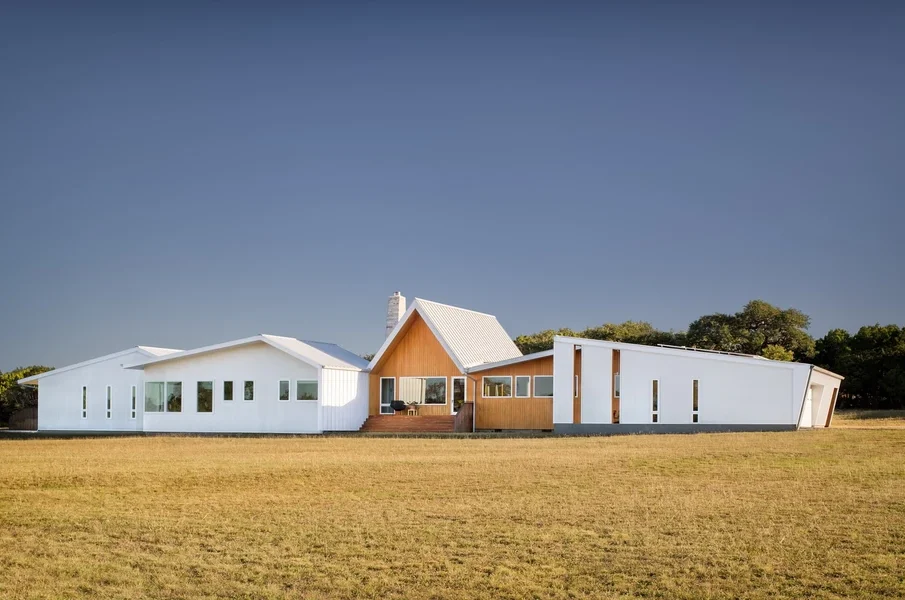
Owning a rural property in Wimberley offers something many homeowners dream about-privacy, beautiful Hill Country views, room to grow, and the freedom to create a property that fits your lifestyle. Whether you own five acres or fifty, many rural homes eventually expand beyond the primary residence. Barns become workshops, detached garages become hobby spaces, guest houses welcome family, and outdoor living areas continue to grow.
Unfortunately, many rural electrical systems were never designed for these future additions. What starts as a simple home electrical panel may eventually be expected to power multiple buildings, irrigation systems, gates, security lighting, water wells, RV hookups, EV chargers, pools, workshops, and backup generators.
Planning electrical infrastructure before expansion can save thousands of dollars while creating a safer and more reliable property.
Working with a Licensed Electrician in Wimberley, Texas early in the planning process helps homeowners build electrical systems that meet today’s needs while preparing for tomorrow’s projects.
Rural Texas Properties Have Unique Electrical Challenges
Unlike suburban neighborhoods where utilities are located only a few feet away, rural properties often require electrical systems that stretch hundreds of feet across acreage.
Some common challenges include:
- Long underground electrical runs
- Multiple detached structures
- Limited utility access
- Heavy-duty workshop equipment
- Water wells
- Septic systems
- Agricultural buildings
- Backup power requirements
- Outdoor entertainment spaces
- Future additions that haven’t been built yet
Every one of these factors affects how the electrical system should be designed.
A properly engineered system focuses on capacity, efficiency, voltage stability, safety, and future flexibility-not simply getting electricity from Point A to Point B.
Designing Electrical Systems for Barns and Workshops
One of the most common additions on rural Texas properties is a detached barn or workshop.
Many homeowners underestimate the electrical demand these buildings eventually require.
Today’s simple workshop can become tomorrow’s:
- Woodworking shop
- Automotive garage
- Metal fabrication shop
- Farm equipment repair building
- Horse barn
- Storage facility
- Hobby workshop
Each application has different electrical needs.
A small workshop may initially only require:
- Lighting
- Several outlets
- Garage door opener
Later, the owner may install:
- Air compressors
- Welders
- Table saws
- Dust collection systems
- HVAC equipment
- Lift systems
- Electric vehicle charging
These larger loads often require dedicated 240-volt circuits and properly sized feeders.
Installing a larger feeder initially is often far less expensive than replacing underground wiring several years later.
Guest Houses and Casitas Need More Than Basic Wiring
Many Wimberley homeowners eventually build:
- Guest homes
- Casitas
- In-law suites
- Rental cottages
- Pool houses
Although these structures may seem small, they often require nearly every electrical system found in a primary residence.
These include:
- Kitchen circuits
- Bathroom GFCI protection
- HVAC equipment
- Water heaters
- Laundry appliances
- Smoke detectors
- Exterior lighting
- Internet equipment
- Television systems
Planning for these buildings requires careful electrical load calculations.
Instead of extending a few circuits from the main house, many detached residences benefit from their own electrical subpanel.
This improves:
- Organization
- Troubleshooting
- Safety
- Future expansion
- Maintenance
Underground Electrical Service Is Critical for Rural Properties
Running overhead wires across acreage may appear less expensive initially, but underground electrical service often provides significant long-term advantages.
Benefits include:
- Improved appearance
- Better storm protection
- Reduced tree interference
- Less accidental equipment damage
- Greater property value
However, underground installations require careful planning.
Factors include:
Conduit Size
Installing larger conduit now allows additional wiring to be added later without trenching again.
Burial Depth
Texas electrical codes establish minimum burial depths depending on installation methods.
Proper depth protects wiring from future landscaping and excavation projects.
Moisture Protection
Water intrusion can shorten equipment life.
Professional installation helps protect underground systems using approved conduit, fittings, and proper sealing techniques.
Why Voltage Drop Matters More Than Most Homeowners Realize
One of the most overlooked aspects of rural electrical design is voltage drop.
As electrical wiring becomes longer, voltage decreases between the source and the equipment.
This becomes especially important when detached buildings are hundreds of feet from the home’s main electrical panel.
Excessive voltage drop can lead to:
- Motor damage
- Equipment overheating
- Dim lighting
- Electronics malfunction
- Reduced appliance lifespan
- Poor HVAC performance
Proper voltage drop calculations determine:
- Wire size
- Conduit size
- Breaker sizing
- Future expansion capacity
Simply installing the minimum wire size allowed by code may not produce the best long-term results on larger properties.
Many experienced electricians intentionally recommend larger conductors to improve efficiency and equipment performance over long distances.
Electrical Subpanels Make Rural Expansion Easier
Rather than running dozens of individual circuits throughout the property, many rural electrical systems benefit from strategically located subpanels.
Subpanels can serve:
- Workshops
- Barns
- Guest homes
- Detached garages
- Outdoor kitchens
- RV parking
- Pool equipment
- Agricultural buildings
Advantages include:
- Shorter branch circuits
- Easier maintenance
- Simpler future additions
- Improved breaker organization
- Reduced voltage loss
If additional structures are planned in the future, installing larger feeder capacity today often prevents expensive upgrades later.
Backup Generators Provide Peace of Mind During Texas Weather
Texas weather can be unpredictable.
Strong thunderstorms, high winds, ice events, and utility outages can leave rural homeowners without electricity for extended periods.
Unlike city neighborhoods, restoring rural utility service may take longer.
Backup generators can power critical systems including:
- Refrigerators
- HVAC systems
- Medical equipment
- Water wells
- Septic systems
- Security systems
- Internet equipment
- Freezers
- Lighting
Whole-home standby generators automatically restore power within seconds of an outage.
Portable generators may provide temporary emergency power but require manual setup and careful attention to safe operation.
Generator sizing depends on:
- Home size
- Electrical load
- HVAC requirements
- Well pumps
- Electric water heaters
- Workshop equipment
- Future expansion
Choosing the right generator begins with a complete electrical load analysis rather than selecting equipment based solely on square footage.
Acreage Lighting Improves Safety and Security
Lighting large rural properties requires much more planning than simply installing floodlights.
Well-designed acreage lighting creates:
- Safer walkways
- Improved nighttime visibility
- Better security
- Enhanced curb appeal
- Easier equipment operation
Lighting plans often include:
- Driveway lighting
- Gate lighting
- Barn lighting
- Parking areas
- Landscape lighting
- Pathway lighting
- Security lighting
- Motion sensor fixtures
- Decorative accent lighting
LED technology has significantly reduced energy consumption while improving light output and fixture lifespan.
Smart lighting controls also allow homeowners to automate schedules, monitor lighting remotely, and improve energy efficiency.
Planning for the Future Saves Money
One of the biggest mistakes rural property owners make is designing electrical systems only for today’s needs.
Property improvements often happen gradually over many years.
Future projects may include:
- Swimming pools
- Outdoor kitchens
- Additional garages
- EV chargers
- Home offices
- Solar systems
- Battery storage
- Hot tubs
- Larger HVAC systems
- Agricultural equipment
Planning for these upgrades early may involve:
- Larger service entrances
- Higher-capacity electrical panels
- Oversized conduit
- Larger underground feeders
- Additional spare breaker spaces
- Strategic subpanel locations
These investments often cost far less during initial construction than after landscaping, driveways, and finished structures are completed.
Can a Handy Homeowner Install These Electrical Systems?
Many rural Texas homeowners enjoy tackling projects themselves.
Painting, fencing, landscaping, framing, and basic maintenance are often excellent DIY projects.
Electrical systems involving detached buildings, underground service, generators, service upgrades, or new subpanels are very different.
These projects require knowledge of:
- National Electrical Code (NEC)
- Texas licensing requirements
- Local permitting procedures
- Electrical load calculations
- Voltage drop calculations
- Grounding and bonding
- Fault protection
- Arc-fault and GFCI requirements
- Underground installation standards
- Utility coordination
- Inspection requirements
Mistakes may not become obvious immediately.
Improper electrical installations can lead to:
- Fire hazards
- Equipment damage
- Electric shock
- Nuisance breaker trips
- Voltage problems
- Failed inspections
- Insurance complications
- Costly repairs
Even experienced DIY homeowners often discover that correcting improperly installed underground wiring or replacing undersized feeders costs considerably more than doing the project correctly the first time.
For major rural electrical work, these installations should generally be left to Texas licensed electricians that Wimberley homeowners trust. Experienced professionals understand local code requirements, perform accurate load and voltage-drop calculations, obtain required permits when applicable, and install systems designed to operate safely for decades.
Why Professional Long-Term Planning Makes a Difference
The best electrical systems rarely happen by accident.
They result from thoughtful planning that considers not only today’s electrical demands but also the property’s future.
A knowledgeable Licensed Electrician in Wimberley, Texas can evaluate your property’s layout, anticipated growth, utility service, and long-term goals to recommend an electrical design that minimizes future disruptions and unnecessary expenses.
Whether you’re adding a workshop, constructing a guest house, installing underground electrical service, preparing for backup power, or planning lighting across several acres, every component should work together as part of one coordinated system.
Rather than piecing together additions over time, comprehensive planning creates an electrical infrastructure that remains safe, efficient, and adaptable for years to come.
If you’re preparing to improve your Hill Country property, partnering with a Licensed Electrician in Wimberley, Texas ensures your electrical system is designed with reliability, code compliance, and future expansion in mind. From properly sized subpanels and voltage-drop calculations to generator integration and underground distribution, professional expertise helps protect your investment while providing dependable power wherever your property grows.



Leave a reply


-
COORDINATING FIRE WATCH DUTIES WITH LOCAL FIRE WATCH MARSHAL GUIDELINES
1. INTRODUCTION There are regional variations in fire watch regulations. The local ... -
-
-
-