Christmas Light Installation in Utah: Why Professionals Do It Better
The Safety Case That Most Homeowners Underweight
Working on a residential roofline to install Christmas lights combines the three factors that produce the most common DIY falls: heights that create serious injury risk, surfaces that may be cold, wet, or icy depending on the installation window, and equipment (extension ladders) that requires specific placement and anchoring skills to use safely on uneven ground and against varied roof edge configurations.
Utah’s November and December conditions add the specific risk factor of early frost and ice in the mornings when most weekend installation work happens. A surface that appears dry from the ground may have frost accumulation on the slope that is not visible until you are on it. Professional crews with proper footwear, anchoring equipment, and fall protection training work in these conditions routinely. Homeowners attempting the same work in street shoes with a hardware store ladder are taking a risk that the finished display is not worth.
The frequency of serious falls from ladders during holiday light installation is consistently reported in emergency room data. The injuries are not minor – falls from roofline heights produce the orthopedic injuries that require surgery and extended recovery. The cost comparison between professional installation and self-installation inverts immediately when a fall is included in the calculation.
Quality and Appearance Differences
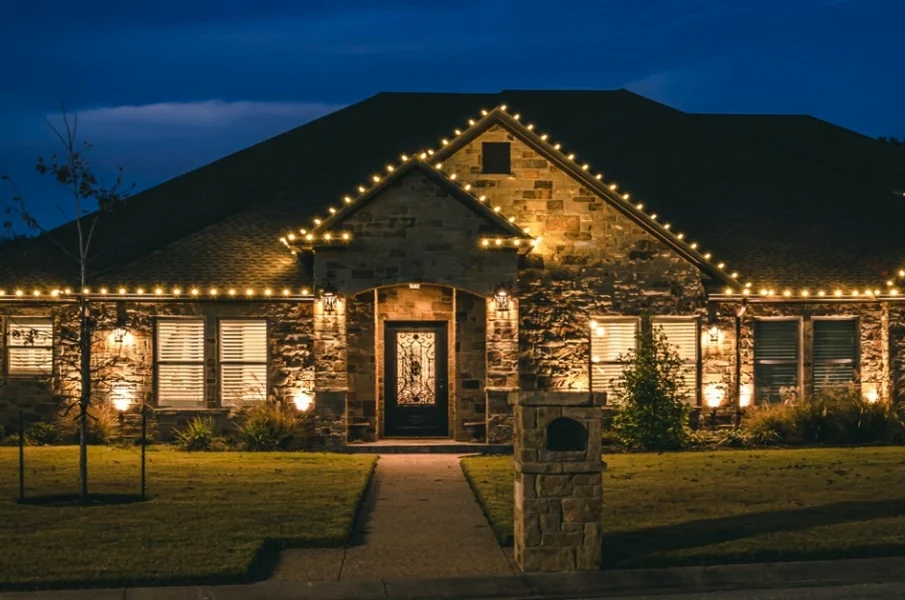
Christmas light installation utah by a professional service produces a consistently more polished result than DIY installation for reasons that are practical rather than aspirational. Crews that install hundreds of homes per season develop the eye for layout, the technique for consistent attachment, and the sequencing knowledge that most homeowners develop only after several years of iterative improvement.
Light line consistency – keeping runs even, corners clean, and attachment spacing regular – is the detail that most distinguishes professional from amateur installation at any distance from the street. Professional crews use spacing tools and established attachment methods that produce the regular, deliberate line that looks intentional rather than applied hastily.
The commercial-grade lights used by professional services are designed for multi-season outdoor use with brighter output per bulb and more consistent color than the retail holiday lights available through home centers. The visual difference is immediately apparent when you see both types installed on adjacent houses during a neighborhood walk.
Energy Star certified LED holiday lights – the category most professional services use – confirm that the energy consumption and brightness performance claimed are independently verified.
Booking and What to Expect
Professional holiday light installation companies in Utah begin their booking calendar in September and October. The most-requested installation dates – the two weekends before Thanksgiving – fill earliest; homeowners who want those dates should book before October. November and December dates remain available but with less flexibility as the season progresses and available crews fill their schedules.
The installation day involves minimal homeowner involvement. The crew arrives, performs the installation, and confirms the finished result with the homeowner before leaving. Most installations take two to four hours for a standard single-story home; larger homes, multiple stories, or extensive tree and landscape lighting require longer windows. Coordinating power access and confirming which outlets the crew can use is the primary homeowner preparation task.
Leave a reply


-
COORDINATING FIRE WATCH DUTIES WITH LOCAL FIRE WATCH MARSHAL GUIDELINES
1. INTRODUCTION There are regional variations in fire watch regulations. The local ... -
-
-
-