How Twin Falls Winds and Dust Wear Down Window Seals
The National Weather Service in Boise has issued wind advisories for Twin Falls that describe west winds of 30 to 40 mph with gusts up to 50 mph. One advisory warned that blowing dust could reduce visibility to half a mile.
Windblown dust gets into window tracks and collects around the weatherstripping. As the sash moves, trapped grit can rub against the seal, while gaps around the frame let dust enter the house. Local vinyl window specialists see the results as drafts, gritty sills, and sashes that no longer close tightly.
How Windblown Grit Wears Down Sash Seals
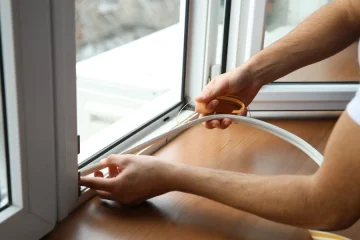
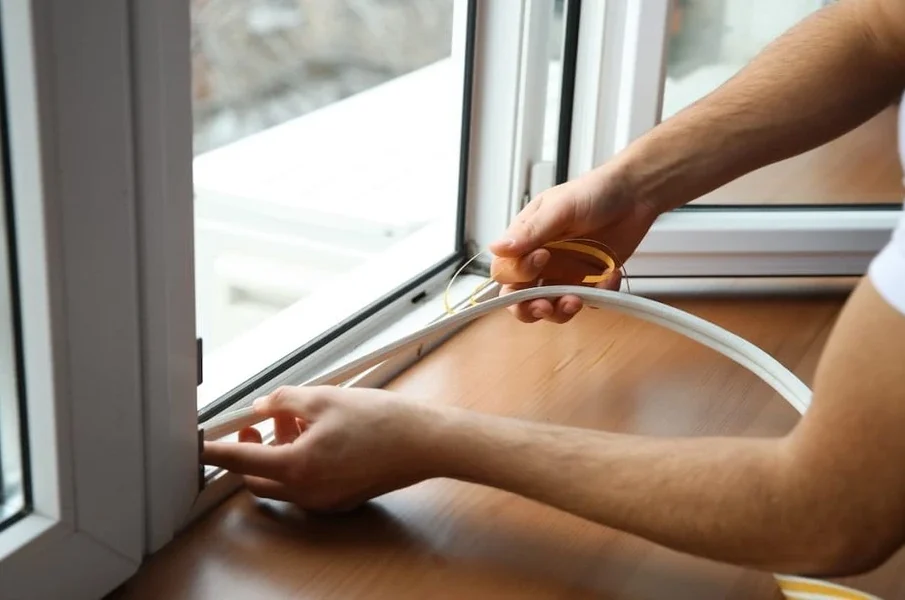
Weatherstripping goes between the sash and the frame. The Department of Energy advises that it should not interfere with how the window operates. When grit collects along the track, it can rub against the weatherstripping as the sash moves. The Citizens Utility Board notes that foam tape wears down under constant friction, so regular track cleaning helps limit unnecessary abrasion.
Grit around the bottom of the frame can get in the way when you close the window. You may have to push the sash harder, or it may stop just short of the frame. Sliding windows can have another problem. Dirt around the rollers can make the sash harder to move. Worn rollers can also affect its position in the track, leaving the window difficult to close properly.
The Pacific Northwest National Laboratory identifies dust, pollen, insects and noise as common intrusions through gaps around windows.
A damaged weatherstrip can appear in several ways, depending on where the gap has formed:
- Fine dust appears on the sill even though the window stayed closed.
- Daylight shows along the edge of a closed sash.
- The sash rattles or whistles during gusts.
- The sash drags or feels rough when it slides.
Why Temperature Swings Add to the Damage
The Idaho State Hazard Mitigation Plan lists an average July high of 88°F and an average January low of 20°F for Twin Falls. The difference between summer and winter temperatures exposes window frames and insulated glass units to repeated expansion and contraction. Heat, sunlight and moisture can gradually affect the edge seals that keep the space between the glass panes airtight. A failed seal can leave moisture inside the window, where it causes lasting fogging. The affected glass unit may need to be replaced.
Wipe the glass with a dry cloth if you notice fog or moisture. If it comes off, the condensation is on the room-facing surface Persistent fog between the glass panes usually means the insulated glass unit has lost its seal.
When Replacement Is the Better Fix
Worn weatherstripping can be replaced on its own. Fog trapped between the panes usually indicates a failed glass unit. A replacement insulated glass unit can often solve the problem without removing the entire window, provided the existing frame remains in good condition. For replacement work, Nu-Vu Glass has operated locally since 2001 and uses its own certified installation team. Vinyl frames do not need routine painting or staining, making exterior upkeep easier.
A Quick Check Before the Next Wind Advisory
- Close the sash on a strip of paper. If the paper pulls out easily, the weatherstripping no longer presses against the frame.
- Move a hand along the edge of the sash on a windy day to feel for drafts.
- Look for fog between the panes on cold mornings.
- Wipe tracks and sashes with a soft cloth and mild glass cleaner. Abrasive pads scratch glass and frames.
- Replace worn weatherstripping before another period of strong winds.
Start with windows that receive the strongest wind exposure, particularly those without trees, fences or nearby buildings to provide shelter.



Leave a reply


-
How Twin Falls Winds and Dust Wear Down Window Seals
The National Weather Service in Boise has issued wind advisories for Twin ... -
-
-
-