Choosing the Best Materials for Long-Lasting Kitchen Cabinets
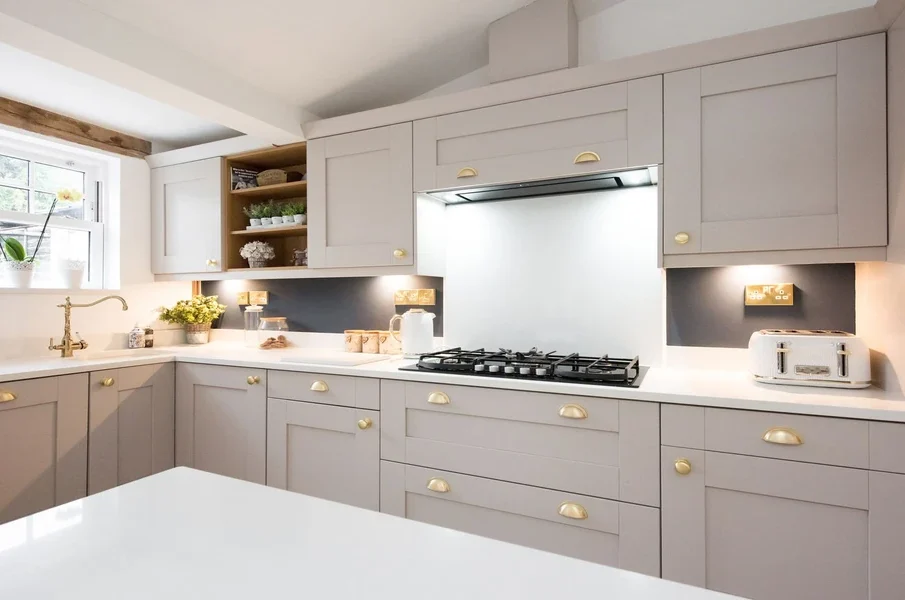
Cabinet doors slam, humidity rises, spills happen, and yet somehow the cabinets in a well-designed kitchen look as fresh after a decade as they did on installation day. What separates cabinets that stand the test of time from those that disappoint after a few years? Much comes down to material choice, an area surrounded by persistent myths.
Myth 1: All Wood Cabinets Are the Same Quality
The phrase “solid wood cabinets” gets thrown around as a mark of quality, but not all woods are created equal. The core construction can be solid hardwood, plywood, or MDF, each with unique strengths.
Differences Between Solid Wood, Plywood, and MDF
Solid hardwood is strong and beautiful but can warp if not sealed properly. Plywood, made from pressed wood layers, boasts stability and is less prone to swelling. MDF (medium-density fiberboard) is denser and smoother, making it ideal for painted finishes, though it’s more susceptible to moisture damage if untreated.
Why Wood Species Matter More Than You Think
Maple resists dents, cherry deepens in color over time, and oak flaunts bold grain. Cheaper woods, like poplar or pine, can look great initially but dent and scratch more easily. The species chosen directly impacts durability and aging.
How Finish and Treatment Affect Durability
A tough topcoat, like conversion varnish, shields against moisture and scratches. Poor finishing lets steam and splashes seep in. Even the best wood will suffer without proper sealing and treatment, so pay attention to factory-applied finishes and ask for details when shopping.
Myth 2: High Price Always Means Higher Quality
Walking into a showroom, it’s tempting to equate higher price tags with better cabinets. But where is your money really going?
Cost Drivers in Cabinet Materials
Premium prices might reflect custom sizing, exotic wood veneers, or handmade details. Meanwhile, a well-built cabinet from a quality plywood can outlast a fancy but poorly constructed solid wood cabinet. Hardware, hinges, and drawer slides contribute to both function and price.
Where to Spend and Where to Save
Allocate more of your budget to durable box construction and door quality. Save on interiors or less visible areas, no need for walnut inside a utility cabinet. Value comes from smart spending, not just splurging.
Balancing Quality, Price, and Service
Price isn’t everything. Fast, reliable service, warranty terms, and support should factor into your selection. Suppliers like Kitchen Wholesalers emphasize a balance of price, service, and turnaround time, helping buyers avoid unnecessary trade-offs.
Myth 3: Laminate Cabinets Don’t Last Long
Laminate used to be the ugly duckling of kitchen cabinetry, but advances have rewritten the story.
Advances in Laminate Technology
Modern high-pressure laminate (HPL) resists scratches, stains, and fading far better than earlier versions. Textured finishes mimic wood grain convincingly, adding style without sacrificing resilience.
Comparing Durability: Laminate vs. Wood
While traditional laminate once peeled or chipped, today’s quality laminates provide a tough surface that can outperform painted wood in busy households. Heat and moisture resistance are often superior to budget wood options.
Maintenance Tips That Extend Lifespan
A quick wipe with a damp cloth usually keeps laminate looking new. Avoid harsh chemicals and direct heat. For minor chips, repair kits are available to extend the cabinet’s fresh appearance.
Myth 4: Glossy Finishes Are Less Durable Than Matte
Many buyers shy away from glossy cabinets, fearing fingerprints and scratches.
Understanding Different Finishes and Their Wear Resistance
High-gloss acrylics and lacquers have come a long way. Quality glossy finishes resist yellowing and stains, while matte finishes can hide fingerprints but may be more susceptible to showing dull spots from cleaning.
Matching Finish Choices to Kitchen Use and Style
Glossy whites dazzle in modern kitchens, reflecting light and making spaces feel bigger. Matte options suit families wary of smudges or those seeking understated elegance. Choose what suits your lifestyle and cleaning habits.
Long-Term Care for Glossy vs. Matte Cabinets
Regular dusting and gentle cleaning protect both finishes. For glossy cabinets, use microfiber cloths to avoid tiny scratches. Matte surfaces handle everyday wear well but can require touch-ups in high-traffic zones.
Myth 5: All Cabinets Are Equally Resistant to Moisture and Heat
Kitchen environments are demanding. Steam from the kettle, splashes from the sink, and heat from the oven all test your cabinetry.
Material Vulnerabilities in Kitchen Environments
MDF swells when exposed to persistent moisture unless well-sealed. Solid woods may expand or contract with humidity shifts. Even some laminates can peel if water seeps into seams.
Choosing Cabinets for High-Humidity and Heavy-Use Kitchens
For busy or steamy kitchens, look for marine-grade plywood boxes and waterproof adhesives. Some finishes specifically repel moisture and heat better than others, ask about these when choosing.
Protective Treatments and Accessories That Boost Longevity
Edge banding, soft-close hinges, and moisture-sealing treatments all extend cabinet life. Don’t underestimate the value of small, less-visible details.
Myth 6: Cabinet Style Doesn’t Impact Durability
Looks matter, but style can also affect how long your cabinets hold up.
How Design Affects Structural Integrity
Raised panels, elaborate moldings, and frameless designs each bring different strengths and vulnerabilities. For example, slab doors have fewer seams to fail, while intricate profiles may harbor dirt and moisture.
The Role of Construction Techniques in Longevity
Dovetail joints, reinforced corners, and solid back panels all make a difference. The way your cabinets are put together is just as important as the materials themselves.
Choosing Styles That Combine Beauty and Strength
Opt for designs that balance visual appeal with practical details, Shaker styles are famous for this versatility.
Myth 7: Fast Delivery Means Compromised Quality
Quick shipping doesn’t have to mean shoddy lockers.
What to Expect from Quick Turnaround Orders
Some suppliers keep popular styles in stock, allowing for fast delivery without cutting corners on construction. Others may skip finishing time, so always ask about their process.
How Reliable Suppliers Balance Speed and Standards
Trustworthy companies maintain quality control, even with speedy service. Look for reviews and ask about guarantees to confirm standards aren’t compromised for convenience.
Tips for Ensuring Quality Without Long Wait Times
Request product specifications and inspect samples whenever possible. Good suppliers will provide details and stand behind their products.
Final Thoughts: Making an Informed Choice for Lasting Kitchen Cabinets
Quality kitchen cabinets aren’t about buzzwords or splurging on the priciest options. It’s about informed decisions: matching material, finish, and style to your needs and environment. Consider how you use your kitchen, assess the pros and cons of each material, and don’t get swayed by common myths.
A reputable supplier will offer not only a strong product line but also helpful guidance. Take advantage of resources like consultations, measurements guides, and detailed product catalogs to ensure a smart investment.
Durable, beautiful cabinets start with asking the right questions and knowing the difference between marketing myths and real value.

Leave a reply


-
COORDINATING FIRE WATCH DUTIES WITH LOCAL FIRE WATCH MARSHAL GUIDELINES
1. INTRODUCTION There are regional variations in fire watch regulations. The local ... -
-
-
-