How to Save Money on Hardwood Floor Sanding Without Sacrificing Quality
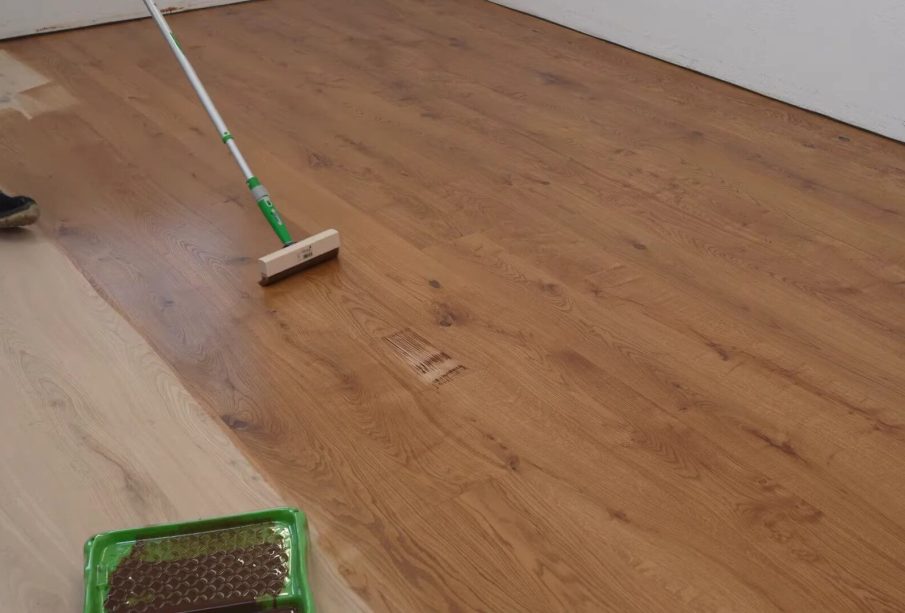
The shine of freshly sanded hardwood floors can transform any room, but the price tag often leaves homeowners wondering where to cut corners without regretting it later. The good news is that saving money on hardwood floor sanding doesn’t have to mean gambling with quality.
The True Cost of Hardwood Floor Sanding: Why Do Prices Vary So Much?
A quick glance at floor sanding quotes can leave you dizzy. Prices may jump from one provider to the next, even for the same square footage. The variance usually comes down to overhead, experience, equipment quality, and local market rates. Some contractors use industrial-grade sanders that speed up the process, while others may rely on older, less efficient machines, translating to higher labor costs. Geographic location also plays a role; urban centers tend to see higher rates than rural areas.
Common Expenses and Hidden Fees
Base quotes often cover sanding and a single coat of finish. However, costs can balloon once you add in repairs, multiple finish coats, or dustless sanding options. Some companies tack on disposal fees or charge extra for moving furniture. Always ask for a detailed breakdown before agreeing to anything.
How Poor Quality Can Actually Cost You More
Cutting corners to save a few bucks up front might feel smart, but it often backfires. Poor sanding can leave uneven floors, visible scratches, or finish that wears away in months instead of years. These mistakes often require expensive touch-ups or a full redo, costing more in the long run.
Identifying Signs of Overpriced or Low-Quality Services
If a quote seems suspiciously low, ask about insurance, equipment, and worker experience. On the flip side, astronomically high prices without a clear explanation can suggest inflated profit margins rather than superior craftsmanship.
Smart Strategies to Cut Costs Without Compromising Quality
Timing, preparation, and smart decision-making can bring the bill down without inviting disaster.
Choosing the Right Time for Sanding: Seasonal and Market Considerations
Demand for floor sanding spikes during spring and summer when homeowners take on renovations. Scheduling your project off-peak, say, late fall or winter, can yield lower rates as contractors look to fill their calendars.
DIY vs. Professional: When Does It Make Sense to Roll Up Your Sleeves?
DIY sanding might seem like a cost saver, but only makes sense for small, low-traffic areas with forgiving wood. Professional sanding is nearly always worth it for whole-house jobs or exotic woods. Mishandling a sander can quickly turn a savings attempt into a costly mistake.
Selecting Cost-Effective Materials and Finishes That Last
Oil-based finishes tend to last longer and require less frequent refinishing, but they take longer to cure and often cost more up front. Water-based finishes dry faster but may need reapplication sooner. Focusing on quality mid-range products often delivers the best long-term value.
Finding the Right Contractor: How to Balance Price with Craftsmanship
Picking a contractor is about more than picking the lowest bid.
Researching and Comparing Quotes Effectively
Ask for written estimates from at least three companies. Compare itemized breakdowns for labor, materials, and extras. This side-by-side approach often reveals hidden fees or shortcuts.
Questions to Ask Before Hiring
– What type of equipment will you use?
– Can you provide proof of insurance?
– Are there additional fees for moving furniture or repairs?
– What is your process for dust control?
Reading Reviews and Checking Credentials
Online reviews, photos of past work, and references from local homeowners provide vital peace of mind. Companies like Mebesa sablage de plancher Belœil have established themselves as trusted resources through consistent quality and transparent communication.
Preparing Your Home to Save Money on Sanding
Preparation is a leverage point for savings that many overlook.
How Pre-Sanding Preparation Can Lower Service Time and Costs
Clearing the room, removing rugs, and detaching baseboards can shave hours off the contractor’s bill. Some companies charge by the hour, so every minute counts.
Protecting Your Furniture and Floors to Avoid Extra Charges
Move as much furniture out as possible and cover fixtures to avoid accidental damage. Marking or scratching furniture during the job can result in extra fees or costly repairs.
Essential Tips During the Sanding Process to Ensure Quality and Savings
You don’t need to hover, but you do need to be present.
Monitoring Progress Without Micromanaging
A quick daily check-in helps ensure the work is proceeding as agreed and gives you a chance to spot issues before they snowball. Trust, but verify.
Knowing When to Speak Up About Quality Concerns
If something looks off, a rough patch, missed corner, or uneven finish, raise it immediately. It’s far easier (and less expensive) to address problems before the final coat is applied.
Post-Sanding Care That Preserves Your Investment
Your savings don’t end when the machines leave.
Cost-Effective Maintenance Practices to Extend Floor Life
Regular sweeping, gentle cleaners, and felt pads under furniture extend the life of your new finish. Avoid harsh detergents or dragging heavy items, which can ruin the surface.
When to Schedule Touch-Ups Instead of Full Refinishing
Minor scratches and dull spots often need only spot treatments or a screening and re-coat, not a full sanding. This keeps costs down and floors looking fresh.
A Step-by-Step Action Plan to Save Money on Your Next Hardwood Floor Sanding
1. Set a clear budget and be realistic about what you can achieve.
2. Research and interview multiple contractors for quotes and references.
3. Schedule during slower seasons for better prices.
4. Prepare the space fully before the sanding crew arrives.
5. Stay present during the project and communicate clearly about expectations.
6. Follow up with regular maintenance and schedule minor touch-ups as needed.
A beautiful, long-lasting hardwood floor doesn’t require overspending, just careful planning, informed choices, and the right partners. With these strategies, you can achieve the look you want and keep your wallet happy.



Leave a reply


-
How to Choose Where to Live: A Framework for a Complex Decision
Choosing where to live is one of the most consequential decisions most ... -
-
-
-