East Texas Roof Wear Explained, From Storm Damage to Pine Straw Buildup
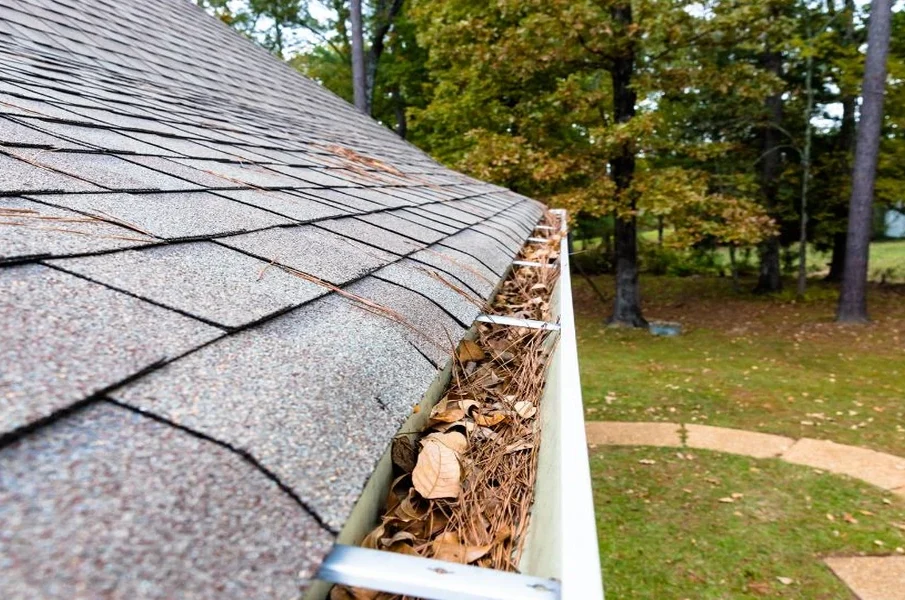
Walk any street in the Piney Woods after a windy week and you’ll find the same thing: pine straw packed into roof valleys, dark streaks creeping down north-facing slopes, and gutters sagging under a load nobody noticed. Homeowners around Woodville who call on Crest Guard Roofing & Restoration are usually facing one of these slow problems or one sudden one. A local crew that works East Texas roofs every week, from their base on West Bluff Street, tends to recognize that pattern at a glance because they see it on house after house.
That pattern is worth understanding even if you never pick up the phone. A shingle roof in this corner of Texas lives a different life than the same roof in Lubbock or Denver. The manufacturer might print 30 years on the bundle, but the forest, the Gulf moisture and the storm track all get a vote.
A year in the life of a Piney Woods roof
The easiest way to see the wear is to follow a roof through twelve months.
Spring brings the hail and straight-line wind. Hail rarely punches holes in shingles here. More often it knocks loose the ceramic granules that shield the asphalt from sunlight, leaving soft, dark bruises you can feel with a thumb. The roof still sheds water that week. It just starts aging faster from that point on.
Summer is the long grind. Attic temperatures in a poorly vented house can climb well past what’s outside, and that trapped heat bakes shingles from underneath. Add daily humidity and you get the perfect climate for Gloeocapsa magma, the airborne algae responsible for those black streaks. The algae feeds on limestone filler in many shingles and holds moisture against the surface.
Hurricane season runs from June through November, and inland counties are not spared. Storms like Rita and Laura carried damaging wind deep into the Piney Woods, snapping limbs and lifting shingle tabs well away from the coast. Wind damage often shows up as a creased tab rather than a missing one, which makes it easy to overlook from the ground.
Fall is when the pines let go. Needles collect behind chimneys, in valleys and along gutters, where they hold water, decompose and invite moss. Clogged gutters overflow onto fascia boards, and rot begins where nobody looks.
Winter is usually mild, until it isn’t. Hard freezes are rare here, which is exactly why homes aren’t built for them. Water that has crept under a lifted shingle can freeze, expand and widen the gap.
Small signs that are easier to fix than to ignore
Most roof failures announce themselves months ahead. The trick is knowing where to look.
- Granules collecting at the bottom of downspouts, like coarse sand
- Nail heads that have backed out and lifted the shingle above them
- Cracked rubber boots around plumbing vents, which tend to fail long before the shingles do
- Brown rings on the ceiling near exterior walls or chimneys
- A musty smell in the attic after rain, even without visible drips
- Daylight showing through roof decking when you stand in the attic
A cracked vent boot is a cheap repair. The rotted decking and stained drywall it causes a year later are not.
Where roofing ends and restoration begins
Here’s the part many homeowners don’t realize. Once water gets past the roof, the job changes character. Wet insulation loses its value and stays damp for weeks. Drywall wicks moisture upward. The EPA notes that mold can begin growing within 24 to 48 hours on wet building materials, and East Texas humidity does nothing to slow it down.
So a real storm response happens in layers. First the roof gets dried in, often with a tarp, to stop further water entry. Then the interior gets assessed with moisture meters rather than just eyes and hands, because damp framing can feel dry to the touch. Only after everything is dried out does it make sense to replace ceilings, paint and flooring. Skipping that middle step is how a homeowner ends up tearing out fresh drywall six months later.
Repair, restore or replace?
Not every damaged roof needs to come off. A few questions help sort it out.
- How old is it? A ten-year-old roof with a few wind-lifted tabs is a strong repair candidate. A roof at 20 years with widespread granule loss probably isn’t.
- Is the damage concentrated or spread out? A single tree strike on one slope can often be repaired section by section. Hail bruising across every slope usually points toward replacement.
- Can you still find matching shingles? Discontinued colors make patches stand out, which matters for resale.
- What’s happening underneath? Soft decking changes the math entirely, since new shingles over weak plywood won’t hold nails properly.
When replacement is the answer, East Texas homeowners have more options than they used to. Impact-resistant shingles rated Class 4 under UL 2218 stand up better to hail, and several Texas insurers offer premium discounts for them. Algae-resistant shingles, made with copper-infused granules, keep slopes clean far longer. Standing seam metal has also grown popular around the region because it sheds pine straw easily and handles high wind well, though it costs more up front.
Paperwork that protects you after a storm
Insurance is where good roofs and bad outcomes often meet. A few habits make a big difference.
Take dated photos of your roof and attic every spring, before storm season. When damage happens, you’ll have a clear before and after. Read your policy for its wind and hail deductible, since many Texas policies use a percentage of the home’s insured value rather than a flat amount. Check whether older roofs are covered at actual cash value, which subtracts depreciation. And note your filing deadline, because many policies set a window measured from the date of the storm, often around one year.
Be wary of anyone knocking on doors the morning after hail, offering to waive your deductible. Paying it is a policy requirement, and a contractor who skips it is taking a shortcut somewhere else too.
Keeping the forest off your shingles
The simplest maintenance steps pay off most in pine country. Trim branches back so they sit at least six to ten feet from the roofline. Clear valleys and gutters twice a year, ideally after the heavy fall drop and again in early spring. Consider gutter guards built for pine needles, since standard screens clog quickly. Check attic ventilation so soffit and ridge vents actually move air.
None of it is glamorous. But a roof that gets looked at twice a year almost always outlasts one that only gets attention when the ceiling starts dripping.



-
Your Roof Windows and Siding Age Together
A brown ring shows up on the bedroom ceiling in late February, ... -
-
-
-